Popular Articles
Lower your fuel costs: Biofuel Expo - 16 Sep 2008
3rd Annual European Biofuels Expo & Conference - 16 Sep 2008
Sustainable UN (SUN) on the move towards climate neutrality - 16 Sep 2008
UN climate talks split over deforestation funds - 16 Sep 2008
EU carbon drops on energy, Lehmans shuts CO2 desk - 15 Sep 2008
Off to an “encouraging start,” is how UN Climate Change Executive Secretary, Yvo do Boer, described the day’s proceedings at the Bali Climate Change conference where over 180 countries, together with observers from intergovernmental and nongovernmental organisations and the media, have convened to discuss negotiations on a climate change deal for the post-2012 period.
Yvo do Boer was speaking following the setting up of a special group to focus attention and explore options on how to take forward negotiations into a post-2012 climate change regime when the Kyoto Protocol expires. The group is expected to narrow down options and present a series of proposals to country ministers who will meet during the second week of the conference. Discussions in the group will be led by Australia and South Africa.
The UN Climate Change Executive Secretary said the establishment of the group was an “encouraging signal” which puts in motion a mechanism to reach an agreement in Bali. Countries also agreed today on a mechanism that could speed the transfer of technology that developing countries see as essential for addressing climate change. While the issue has been considered in the past in talks under the Climate Change treaty, States will now discuss concrete concerns on how to make it happen.
The decision came as concerns were raised by developing countries that attention in Bali was too focused on a future agreement that would enter into force in 2013, while previous commitments to assist developing countries under the existing Convention and Protocol had been largely forgotten.
Also on the agenda was the importance of reducing emissions from deforestation. Kishan Kumar-Singh, Chair of the Subsidiary Body for Scientific and Technological Advice, said methodologies and tools for estimating emissions must be developed as well as pilot projects on deforestation launched in developing countries.
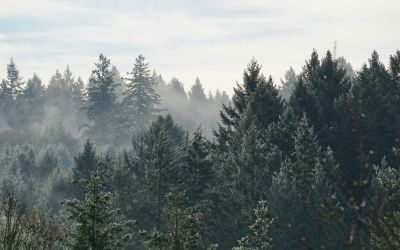
Deforestation is estimated to have occurred at the rate of 13 million hectares per year in the period 1990-2005, accounting for 20 per cent of global annual greenhouse gas emissions in the late 1990s and making it the world’s second largest source of greenhouse gas emissions.
Mr Kumar-Singh said forests play a key role in addressing climate change as they absorb carbon that would otherwise be released into the atmosphere.